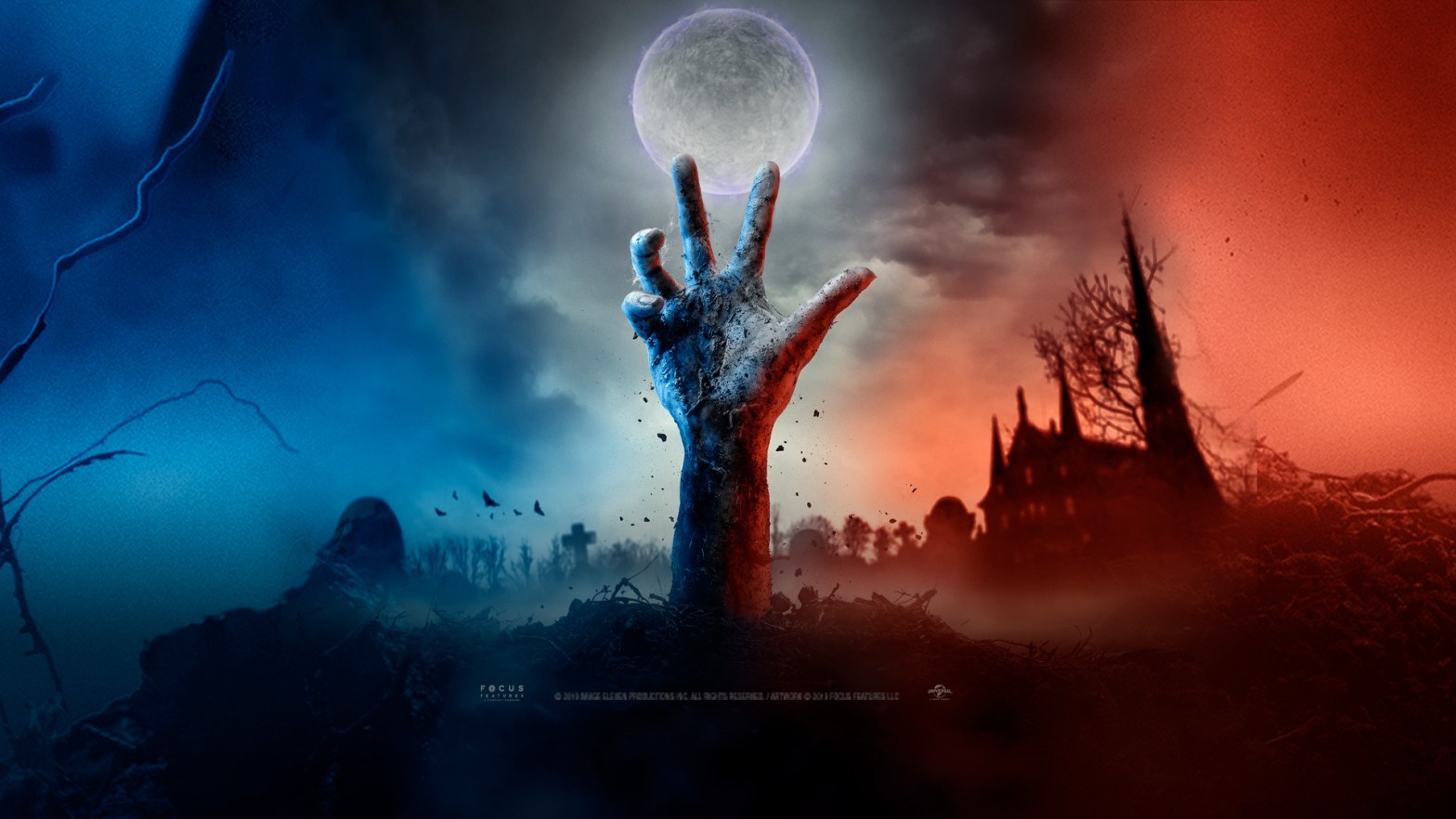
The Dead Don’t Die follows a local police outfit comprised of Cliff (Bill Murray) and Ronnie (Adam Driver) as they deal with a zombie uprising in the claustrophobically small town of Centerville. In classic Jim Jarmusch style, it is perhaps misleading to say that these characters deal with anything; rather, they have meandering conversations while the world falls to pieces around them. The dry exchanges that take place in the police car as Cliff and Ronnie patrol an increasingly apocalyptic landscape are the highlight of a film which otherwise threatens to alienate audiences with its surrealist and self-referential style.
While it may appear to be a classic entry in the zombie comedy oeuvre, The Dead Don’t Die is a self-aware satirisation of the genre – Zomception, if you will. The self-referential nature of the film works in some respects. For example, fans of the genre are likely to identify with Bobby Wiggins (Caleb Landry Jones), a gas station attendant with a vast collection of horror memorabilia. It is entertaining to watch Bobby use his encyclopedic knowledge of genre films to navigate the undead uprising. He is essentially a manifestation of the horror buff viewer operating within the film. More than once he points out and labels tropes, such as a car that he observes is “very George Romero”.
The sense that characters are aware of being within a film is omnipresent throughout The Dead Don’t Die. Adam Driver’s character, Cliff, is particularly sentient of this and at times makes explicit references to the script and theme music. The novelty of this will appeal to viewers who can stomach a touch of absurdity and appreciate the multi-layered self-awareness of the film.
However, the meta nature of The Dead Don’t Die is at times grating. This is most evident when it attempts to satirise the genre trope of zombies embodying consumerist culture. Jarmusch’s undead cling to what they valued when they were alive and this results in an uncomfortable scene in which a crowd of zombies wield smartphones and moan “wi-fi” in unison. As the glowing screens illuminated their decaying faces, I could only cringe at the heavy handedness and cliche that I was witnessing. This is clearly intended to be amusing by pushing a trope to its extreme, however fails due to a lack of subtlety and nuance. Making fun of things is not sufficiently funny if it is not done intelligently and I am surprised that Jarmusch was not vigilant enough to remedy this.
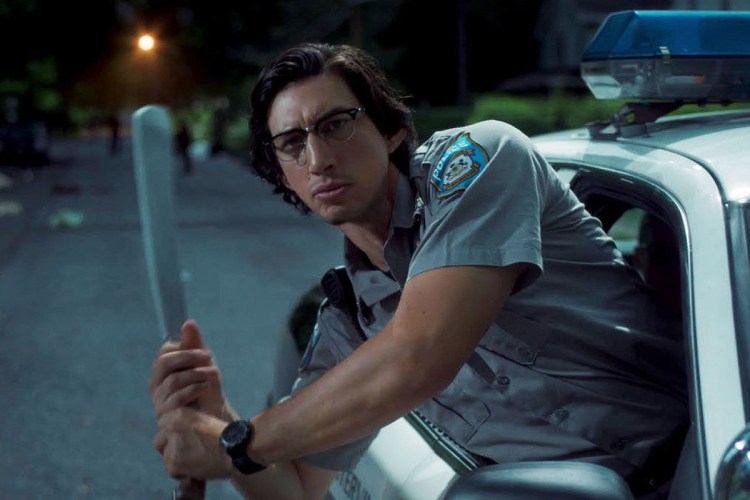
That being said, much of the deadpan humour throughout the movie is effective and this is largely attributable to Bill Murray and Adam Driver’s performances as Cliff and Ronnie. Their emotional neutrality throughout the majority of the zombie uprising serves as a hilarious juxtaposition. Murray in particular has a knack for delivery that highlights the contradiction between words and context, a skill he has demonstrated time and time again throughout his career.
One of Jarmusch’s great qualities is his patience, allowing scenes to play out at length, with the camera’s lens steadily trained on events as they unfold. Jarmusch also ornaments his films with rich details. A favourite of mine is Farmer Miller’s hat that reads “Keep America White Again”, an amusing reference to the red MAGA hat that is so politically charged in modern culture.
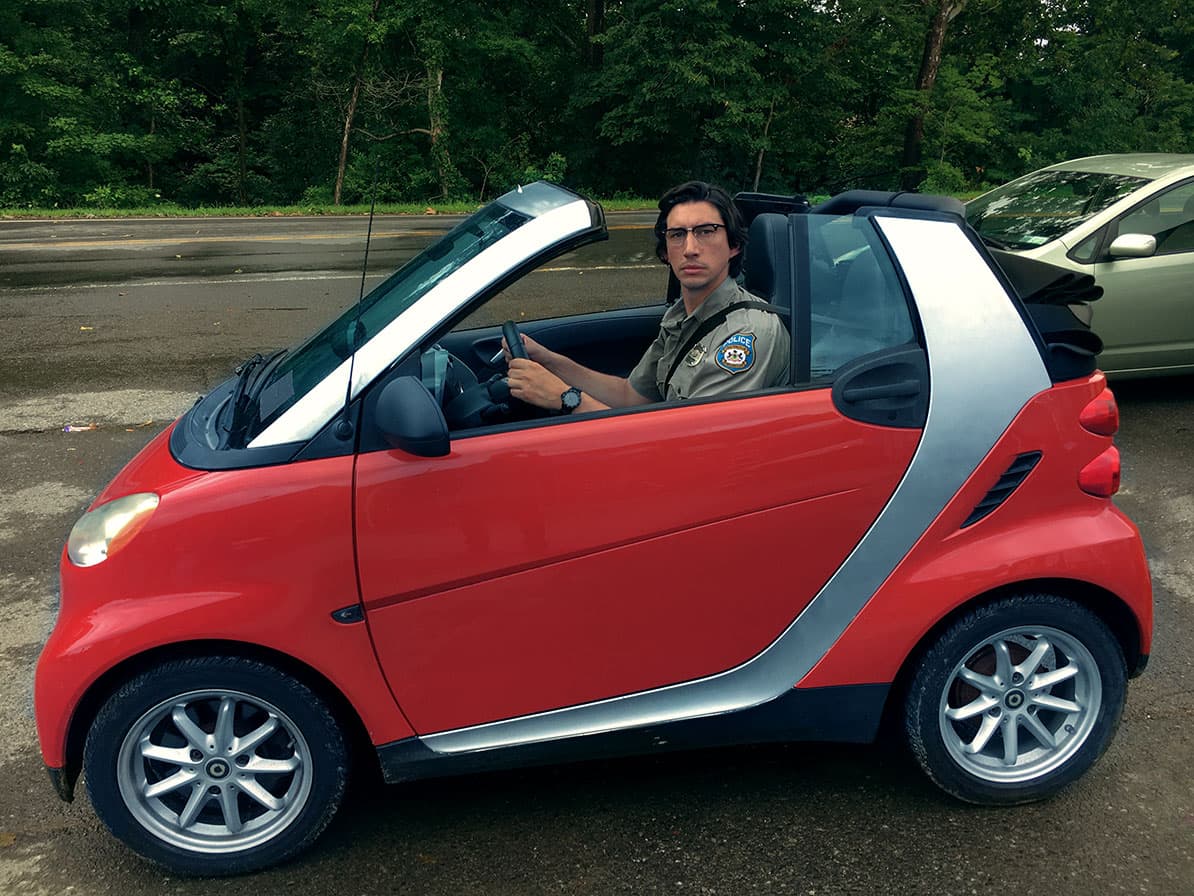
The Dead Don’t Die engages in a level of absurdity that vacillates between delightful and cringe worthy. It works well in the context of minor comedic incongruities, such as Ronnie’s earnest ownership of a convertible smart car in spite of his physical stature.
Yet there are times when The Dead Don’t Die pushes its surrealism too far, rudely bringing the audience’s willing suspension of disbelief crashing to the ground. The Tilda Swinton storyline is particularly problematic in this respect. Suffice it to say that spaceships have no place in the zombie genre.
The Dead Don’t Die is a film that is great for the same reasons it is terrible. Viewers’ enjoyment will likely be based on their capacity for nonsense and their willingness to forgive a handful of poor directorial decisions. If films had personalities, this one would be firmly situated within the hipster subculture as it’s main purpose appears to be poking fun at an institution – the zombie comedy complex.
 View Kid